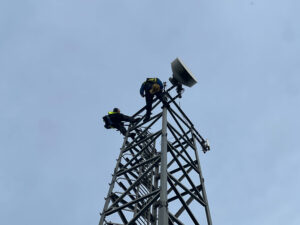

In the current hyper-connected state of affairs, wireless communication is the backbone of all aspects of business operations. This includes mobile devices, cloud applications, remote monitoring, etc. Wireless communication plays a vital role in keeping all the wheels of an organisation running smoothly.
But as the importance of wireless communication increases, so do the risks associated with it. The relationship between telecommunications and cybersecurity is a vital one.
Why Wireless Networks Face Unique Security Challenges
Unlike wired networks, wireless networks utilize the air for data transmission. This means that attackers do not necessarily need physical access to the infrastructure in order to attempt to intercept data or disrupt services. Some of the common wireless security risks include:
- Unauthorised access from unsecured devices or poorly configured networks
- Man-in-the-middle attacks, which involve intercepting or changing data packets
- Rogue access points that deceive users to connect
- Device vulnerabilities in smartphones, tablets, IoT sensors and routers
In today’s business environment, most business operations utilize wireless connectivity for data transmission. This means that any security threat that occurs will result in business disruptions.
How Modern Telecoms Strengthen Cybersecurity
Telecommunications technology is continually evolving to address these challenges, thereby creating a more secure wireless environment.
Advanced Encryption Protocols
Wireless networks are now using industry-standard encryption methods for the security of the data transmitted over the network. WPA3 network encryption for wireless networks, as well as VPN connections, are now commonly used for the security of the data transmitted over the network.
SIM-Based Authentication
For mobile networks, SIM-based authentication is used, which adds a layer of security for the verification of the identities of the users. This type of system is more difficult to breach compared to the usual Wi-Fi network password system, which is used for the verification of the identities of the users of the network.
Secure Private Networks
Some organisations are now using private mobile networks or APNs for the security of the network. This allows the organisation to have control over the way the devices connect to the network.
Monitoring & Threat Detection
Some network providers are now offering tools for the detection of unusual activities, which can alert the organisation to the threats that are occurring over the network.
Best Practices to Safeguard Your Data in a Wireless World
However, processes and policies are equally important in ensuring that wireless network security is enhanced. There are several measures that can be taken by a business to minimize the risks associated with wireless networks. The measures include:
- Implement strong password and device policies
- Update the equipment and firmware regularly
- Deploy mobile signal systems from trusted manufacturers
- Conduct periodic security and line of sight surveys
- Train staff to recognise phishing and unsafe network behaviour
By being proactive in these measures, a business can ensure that the wireless infrastructure that is being used daily remains secure and reliable.
Wireless telecommunications offer substantial benefits in flexibility, speed and operational efficiency. However, they also present cybersecurity issues that need to be addressed.
By providing reliable telecommunications services along with good security practices, businesses can securely thrive in a wireless world.